
 0
0




Leave a Reply
You must be logged in to post a comment.

Today, March 5th, 2026, women entrepreneurs are flourishing, driven by themes like “Her Rights, Our Future, Right Now.” This manual guides aspiring business owners.
The landscape of entrepreneurship is dramatically shifting, witnessing an unprecedented surge in women-owned businesses globally. This rise isn’t merely a statistical trend; it represents a powerful economic force fueled by innovation, resilience, and a growing demand for diverse leadership.
Driven by themes like International Women’s Day 2025 – “Her Rights, Our Future, Right Now” – women are increasingly empowered to pursue their ventures. This momentum is supported by dedicated resources, including those from the Small Business Administration (SBA), designed to facilitate success.
However, it’s crucial to acknowledge that many women, including transgender, gender diverse, and intersex women, face compounded discrimination. Addressing these inequalities is paramount to fostering a truly inclusive entrepreneurial ecosystem.
Marking March 6th, 2025, International Women’s Day centers around the crucial theme: “Her Rights, Our Future, Right Now,” as designated by UN Human Rights. This focuses on accelerating progress towards gender equality and women’s empowerment worldwide. The call to action emphasizes prioritizing women’s and girls’ health, including their full participation in the workforce.
Current discussions highlight the urgent need for justice, accountability, and reparations, particularly for women in regions facing political unrest, like Iran, where demands for rights have been met with suppression.
These themes directly impact the business landscape, advocating for equal opportunities and challenging discriminatory practices that hinder women entrepreneurs.

A comprehensive guide empowers women to build businesses around their lives, offering step-by-step instructions for formation and ongoing support.
Crafting a robust business plan is paramount for women entrepreneurs seeking success. This document serves as your roadmap, outlining goals, strategies, and financial projections. Begin with an executive summary, concisely detailing your business concept and objectives. Thoroughly analyze your target market, identifying customer needs and competitive landscapes.
Detail your products or services, highlighting unique value propositions. Develop a comprehensive marketing strategy, encompassing digital channels and networking opportunities. Crucially, include a detailed financial plan, projecting revenue, expenses, and profitability. Consider potential challenges and outline contingency plans. A well-developed plan isn’t just for securing funding; it’s for clarifying your vision and ensuring sustainable growth.
Selecting the right business structure is a foundational step for women entrepreneurs. Common options include sole proprietorships, partnerships, Limited Liability Companies (LLCs), and corporations. Sole proprietorships are simple but offer no personal liability protection. Partnerships distribute responsibilities and profits, but partners share liability.
LLCs provide liability protection while offering flexibility in management and taxation. Corporations offer the strongest liability shield but involve more complex regulations. Consider factors like liability, taxation, administrative burden, and future growth plans. For women-owned businesses, understanding ownership requirements – at least 51% unconditionally owned and controlled by women citizens – is vital for certification and accessing specific resources.
Formalizing your venture requires diligent business registration. Begin by choosing a unique business name and checking its availability with your state’s authorities. Next, register your business entity – whether a sole proprietorship, LLC, or corporation – with the appropriate state agency, typically the Secretary of State.
Obtain an Employer Identification Number (EIN) from the IRS, even if you don’t plan to hire employees, as it’s often required for banking and tax purposes. Secure any necessary licenses and permits at the federal, state, and local levels, varying by industry and location. Thoroughly research requirements to ensure full compliance and avoid potential penalties. Resources like the SBA offer guidance throughout this process.

Securing capital is vital. The SBA provides resources, while women-owned businesses may qualify for specific grants and loan programs for financial stability.
The Small Business Administration (SBA) is a crucial partner for women entrepreneurs seeking to launch and grow their ventures. The SBA offers a wealth of resources specifically tailored to support women-owned businesses, including access to capital, counseling, and training programs. These resources aim to address the unique challenges women often face in the business world;
Specifically, the SBA provides guidance on loan programs, such as the 7(a) loan and microloan programs, which can help women secure funding for startup costs, expansion, or working capital. Furthermore, the SBA’s Office of Women’s Business Ownership offers mentorship, workshops, and online resources designed to empower women entrepreneurs. The SBA also facilitates networking opportunities and connects women with local business development centers and women’s business centers.
To qualify as a women-owned business, specific criteria must be met. Generally, at least 51% of the business must be unconditionally and directly owned and controlled by one or more women who are U.S. citizens. Control signifies the ability to make all operational and strategic decisions.
Certification as a women-owned business can unlock valuable opportunities, including access to set-aside contracts with government agencies and corporations seeking supplier diversity. Certification demonstrates a commitment to inclusivity and can enhance a business’s credibility. Several organizations offer certification, each with its own process and requirements. Pursuing certification can be a strategic step for growth and market access.
Securing grants can provide crucial non-dilutive funding for women-owned businesses, fueling growth and innovation. Numerous organizations offer grants specifically targeted towards women entrepreneurs, recognizing the unique challenges they often face. These grants can cover a wide range of expenses, from startup costs and marketing initiatives to research and development.
Researching and identifying relevant grant opportunities requires diligent effort. Websites like Grants.gov and those of foundations focused on women’s economic empowerment are excellent starting points. Carefully review eligibility criteria and application requirements before submitting a proposal. A well-crafted grant application highlighting the business’s potential impact is essential for success.
Accessing capital is often a significant hurdle for women entrepreneurs, but various loan and investment options are available. The Small Business Administration (SBA) offers loan programs designed to support small businesses, including those owned by women. These loans often feature favorable terms and lower interest rates.
Beyond traditional bank loans, women entrepreneurs can explore alternative funding sources like angel investors and venture capital firms. Building a strong business plan and demonstrating a clear path to profitability are crucial when seeking investment. Networking and connecting with potential investors through industry events and online platforms can also prove beneficial.

Effective digital marketing, a strong brand identity, and consistent networking are vital for women-owned businesses to reach target audiences and foster growth.
Leveraging digital platforms is crucial for modern businesses, especially those owned by women. A robust online presence begins with a well-designed website optimized for search engines, ensuring visibility when potential customers search for relevant products or services. Social media marketing, utilizing platforms like Instagram, Facebook, and LinkedIn, allows for direct engagement with target audiences, building brand awareness and fostering customer loyalty.
Content marketing, through blog posts, articles, and videos, establishes expertise and provides valuable information. Email marketing remains a powerful tool for nurturing leads and promoting special offers. Paid advertising, such as Google Ads and social media ads, can accelerate reach and drive targeted traffic. Analyzing website analytics and social media insights is essential for refining strategies and maximizing return on investment.
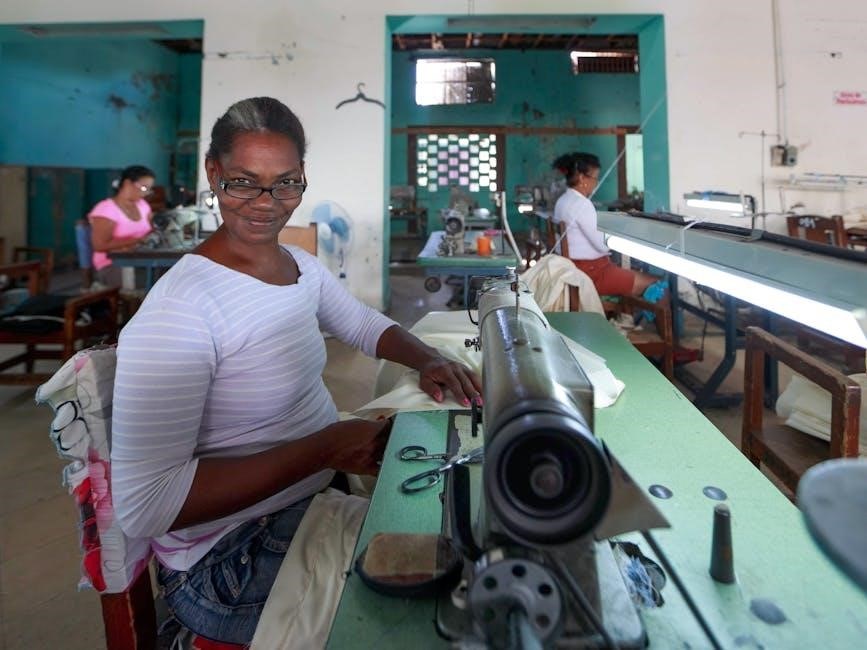
A strong brand identity is paramount for women-owned businesses seeking to stand out in a competitive market. This begins with defining your core values, mission, and unique selling proposition – what makes your business different? Visual elements, including your logo, color palette, and typography, should reflect these values and appeal to your target audience.
Consistent messaging across all platforms – website, social media, marketing materials – is vital for building recognition and trust. Storytelling is a powerful tool; share your business’s journey, your passion, and the impact you’re making. Authenticity resonates deeply with consumers. Consider your brand voice: is it professional, friendly, or innovative? A well-defined brand identity fosters customer loyalty and long-term success.
Strategic networking is crucial for women entrepreneurs, offering access to mentorship, partnerships, and new opportunities. Actively participate in industry events, join relevant online communities and forums, and seek out mentorship programs specifically designed for women. Building genuine relationships based on mutual support and collaboration is key.
Don’t underestimate the power of informal networking – attending workshops, conferences, or even local business meetups. Leverage social media platforms like LinkedIn to connect with potential clients, collaborators, and industry leaders. Remember to nurture these relationships over time, offering value and support in return. Strong networks provide invaluable resources and advocacy.

Effective leadership for women involves building strong teams, prioritizing time management, and navigating unique challenges within the business landscape.
Women often demonstrate leadership styles rooted in collaboration, empathy, and inclusivity, fostering strong team dynamics and innovation; These approaches contrast with traditionally hierarchical models, emphasizing shared decision-making and empowering team members. However, navigating societal expectations and potential biases requires assertive communication and a confident presence.
Authentic leadership, where women lead with their genuine selves, builds trust and inspires loyalty. Transformational leadership, focusing on inspiring and motivating others, is also frequently observed. Recognizing and addressing discrimination, as highlighted by UN Human Rights, is crucial for creating equitable workplaces. Ultimately, effective leadership for women involves leveraging strengths while proactively challenging systemic barriers.
A successful business hinges on a capable and motivated team. Prioritize diversity and inclusion, recognizing that compounded discrimination impacts many women – including transgender, gender diverse, and intersex individuals – due to factors like race or disability. Seek individuals who complement your skills and share your vision, fostering a collaborative environment.
Effective communication and clear role definitions are paramount. Invest in team development, providing opportunities for growth and skill enhancement. Addressing inequalities, as advocated by the UN Human Rights Office, creates a more equitable and productive workspace. Remember, a strong team isn’t just about talent; it’s about mutual respect and shared commitment.
For women entrepreneurs, balancing business demands with personal well-being is crucial. Prioritizing women’s health, as highlighted by recent reports, directly impacts productivity. Implement time-blocking techniques and delegate tasks effectively to avoid burnout. Recognize that societal factors can disadvantage women, requiring proactive strategies for work-life integration.
Leverage technology to streamline processes and automate repetitive tasks. Set realistic goals and break down large projects into manageable steps. Remember, achieving gender equality, a core UN Human Rights commitment, necessitates creating opportunities for women’s full participation – including efficient time management for entrepreneurial success.

Understanding business laws, protecting intellectual property, and ensuring compliance are vital. Recent reports urge accountability, demanding rights and justice for all entrepreneurs.
Navigating the legal landscape is crucial for women entrepreneurs. This involves comprehending federal, state, and local regulations impacting business operations. Key areas include contract law, employment law, and tax obligations. Women-owned businesses must adhere to the same legal standards as any other enterprise, but may also encounter specific challenges related to discrimination or unequal access to resources.
Staying informed about evolving laws is paramount. Resources like the Small Business Administration (SBA) and legal counsel can provide guidance. Understanding intellectual property rights – trademarks, copyrights, and patents – is also essential for protecting your brand and innovations. Proactive legal compliance minimizes risks and fosters sustainable growth, ensuring a solid foundation for your venture.
Safeguarding your unique creations is vital for a thriving business. Intellectual property (IP) encompasses trademarks, copyrights, patents, and trade secrets. Trademarks protect your brand name and logo, while copyrights secure original works like website content and marketing materials. Patents safeguard inventions, offering exclusive rights for a set period.
Registering your IP with the relevant authorities is crucial. This provides legal recourse against infringement. Regularly monitor the market for potential violations and be prepared to enforce your rights. Consider confidentiality agreements with employees and partners to protect trade secrets. A strong IP strategy builds brand value, deters competition, and secures a competitive advantage in the marketplace.
Navigating the legal landscape requires diligent compliance and accurate reporting. Understand federal, state, and local regulations applicable to your industry. This includes tax obligations, labor laws, and industry-specific permits. Maintain meticulous financial records for accurate tax filing and potential audits.
Regularly review and update your practices to ensure ongoing compliance. Stay informed about changes in legislation that may impact your business. Accurate reporting builds trust with stakeholders and avoids costly penalties. Utilize accounting software and consider professional guidance to streamline the process. Proactive compliance demonstrates ethical business practices and fosters long-term sustainability.

Prioritizing health is crucial; women face unique challenges, including discrimination, demanding equal workforce participation and addressing systemic disadvantages impacting well-being.
Recognizing the interconnectedness of health and entrepreneurial success is paramount. Women often navigate unique health challenges, compounded by societal pressures and potential discrimination. A holistic approach to well-being—encompassing physical, mental, and emotional health—is not a luxury, but a necessity for sustained performance.
Health systems must prioritize women’s and girls’ health needs, fostering full participation in the workforce; This includes access to comprehensive healthcare, addressing gender-specific concerns, and creating supportive work environments. Ignoring these needs hinders economic empowerment and perpetuates inequalities. Entrepreneurs should proactively integrate wellness practices into their routines, seeking support when needed, and advocating for policies that champion women’s health.
Acknowledging systemic barriers is crucial for women entrepreneurs. Many face compounded discrimination based on factors like age, race, ethnicity, disability, or socioeconomic status, in addition to their gender. This manifests in limited access to funding, networking opportunities, and fair treatment within the business ecosystem.
The UN Human Rights Office actively promotes women’s equal enjoyment of all human rights, yet inequalities persist. Entrepreneurs must be aware of these biases and proactively challenge them. This includes advocating for inclusive policies, supporting diverse suppliers, and fostering equitable workplace cultures. Addressing discrimination isn’t just ethical; it’s essential for unlocking the full potential of women-owned businesses and driving economic growth.
Prioritizing well-being is paramount for women entrepreneurs, often juggling multiple roles. Achieving work-life balance isn’t about equal time allocation, but about intentional integration. Strategies include setting firm boundaries – defining work hours and disconnecting when possible – and delegating tasks effectively.
Furthermore, recognizing the importance of self-care, such as prioritizing health needs, is vital. Health systems must support women’s full participation in the workforce. Building a strong support network, both personally and professionally, provides crucial assistance. Remember, sustainable success requires nurturing your physical and mental health alongside your business.
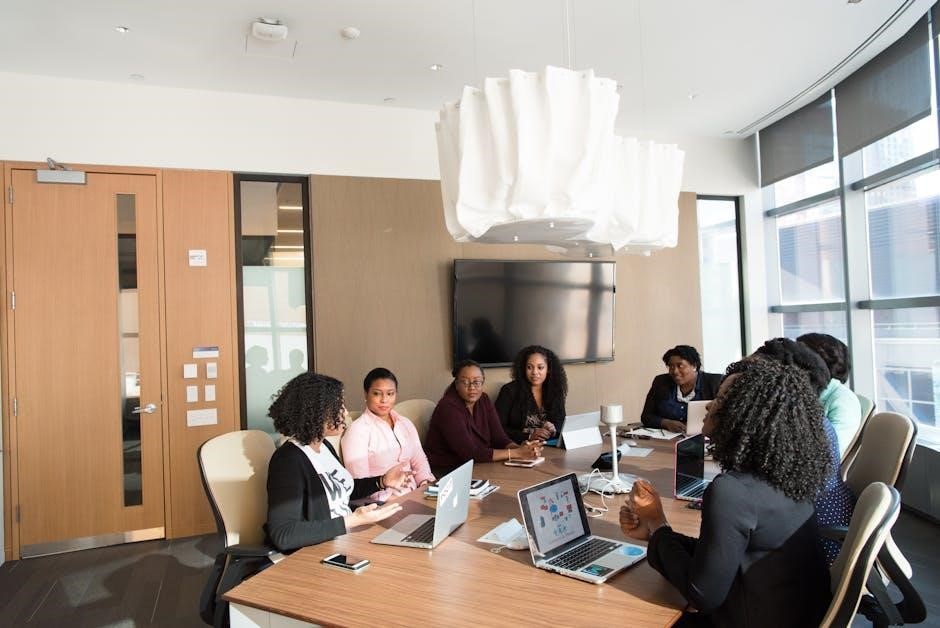
Access mentorship programs, online communities, and government resources designed to empower women-owned businesses and foster connections for sustained growth.
Navigating the entrepreneurial journey is significantly smoother with guidance from experienced professionals. Mentorship programs specifically designed for women offer invaluable support, addressing unique challenges faced in the business world. These programs provide a safe space for sharing experiences, receiving constructive feedback, and building confidence.
Many organizations, including the Small Business Administration (SBA) and various non-profits, facilitate these connections. Mentors can assist with business planning, financial management, marketing strategies, and leadership development. Seeking a mentor who aligns with your industry and goals is crucial for maximizing the benefits. Remember, a strong mentor-mentee relationship is built on trust, open communication, and a shared commitment to success.
The digital age provides unprecedented access to supportive networks for women entrepreneurs. Online communities and forums serve as vibrant hubs for connection, collaboration, and knowledge sharing. These platforms offer a space to ask questions, seek advice, and learn from the experiences of others navigating similar challenges.
Numerous online groups cater specifically to women-owned businesses, covering diverse industries and experience levels. Engaging in these communities fosters a sense of belonging and provides valuable insights into current trends and best practices. Active participation, offering support to fellow entrepreneurs, and seeking mentorship within these forums can significantly accelerate your business growth and build lasting relationships.
The Small Business Administration (SBA) is a crucial resource, offering guidance and support tailored to women entrepreneurs. They provide access to capital, counseling, and training programs designed to foster business success. The SBA also facilitates women-owned business certification, opening doors to specific contracting opportunities.
Beyond the SBA, various federal and state agencies offer programs aimed at empowering women in business. These include grant opportunities, loan programs with favorable terms, and resources for navigating legal and regulatory requirements. Exploring these government-backed initiatives can provide a significant advantage, helping women overcome financial hurdles and build sustainable, thriving enterprises.

Technology’s impact and emerging markets present significant opportunities for women-owned businesses, alongside continued advocacy for rights and economic empowerment.
Digital tools are revolutionizing how women launch and scale businesses. E-commerce platforms provide global reach, while social media marketing offers cost-effective branding and customer engagement. Cloud computing reduces overhead, and data analytics informs strategic decisions.
However, the digital divide remains a challenge, requiring initiatives to ensure equitable access to technology and digital literacy training. Furthermore, cybersecurity awareness is crucial for protecting sensitive business data. Embracing technological advancements empowers women to overcome traditional barriers, fostering innovation and economic growth. This creates a more level playing field and unlocks unprecedented opportunities for female entrepreneurs worldwide.
Several sectors present significant growth potential for women entrepreneurs. The wellness industry, sustainable products, and the creator economy are experiencing rapid expansion. Geographically, markets in Southeast Asia, Africa, and Latin America offer untapped opportunities due to increasing disposable incomes and evolving consumer preferences.
However, navigating these markets requires cultural sensitivity and a deep understanding of local regulations. Women entrepreneurs can leverage technology to overcome logistical challenges and build strong networks. Focusing on niche markets and offering innovative solutions are key to success. These emerging markets represent a powerful engine for economic empowerment and inclusive growth.
Championing women’s rights is intrinsically linked to economic empowerment. Advocacy efforts must address systemic discrimination and promote equal access to resources, including funding, mentorship, and market opportunities. Supporting policies that ensure fair treatment and protect intellectual property is crucial. The UN Human Rights Office actively promotes gender equality and women’s full participation.
Furthermore, advocating for reproductive health rights and addressing gender-based violence are essential components of a supportive ecosystem. Collective action, through organizations and networks, amplifies voices and drives meaningful change. Empowering women economically strengthens communities and fosters sustainable development globally.
You must be logged in to post a comment.