
 0
0


Leave a Reply
You must be logged in to post a comment.
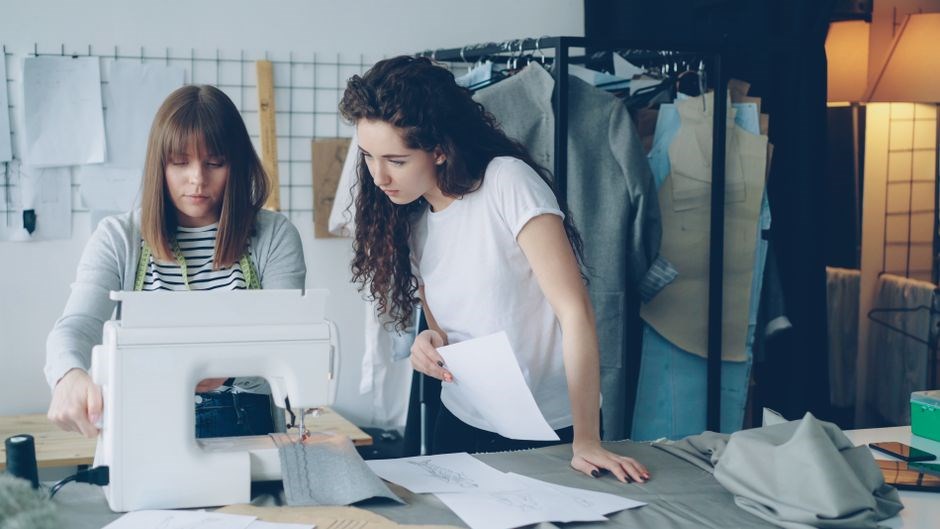
PDF sewing patterns empower women to create custom garments at home․ These downloadable files feature printable pieces in sizes 420‚ plus sizes 0‑32‚ and full bust options․ Professionally drafted‚ they ensure accurate fit‚ easy assembly‚ and a satisfying sewing experience․ These patterns also support easy alterations for style today !!
PDF sewing patterns are digital files that contain all the necessary pieces‚ notches‚ and instructions for creating garments․ They are typically distributed as PDF documents‚ which can be downloaded‚ printed‚ and assembled at home․ These patterns often come in a range of sizes‚ such as the 420 series for standard sizes and the 0‑32 range for plus‑size options․ The designs are professionally drafted and tested to provide accurate fit and a smooth sewing experience․ Users can print the pattern pieces on regular paper or cardstock‚ fold them along the indicated lines‚ and cut them out to start construction․ Many patterns also include helpful tutorials‚ diagrams‚ and tips for modifications․ Because the files are digital‚ they can be shared instantly‚ updated quickly‚ and accessed from any device with a PDF viewer․ For women who prefer a flexible and convenient approach to fashion‚ PDF patterns offer a cost‑effective and environmentally friendly alternative to traditional paper patterns․ These PDF patterns often come with detailed construction notes‚ seam allowance guidelines‚ and optional modifications that let you tailor fit to your body․ Many designers add step‑by‑step photo tutorials or video links‚ easing the learning curve for beginners․ Because the files are lightweight and shareable‚ they can be printed repeatedly‚ archived digitally‚ or edited with vector software for custom adjustments․ Women who love experimenting with fabrics‚ cuts‚ or embellishments find PDF patterns especially useful‚ as they can be reprinted in various sizes or adapted for seasonal trends without buying new paper patterns․ The digital format reduces waste and offers instant access from any device‚ keeping fashion creation flexible and eco‑friendly․
In the early 1990s‚ sewing enthusiasts began experimenting with simple PDF files that could be printed on home printers․ These rudimentary patterns were often hand‑drawn and scanned‚ offering basic silhouettes but limited accuracy․ By the late 1990s‚ dedicated pattern companies started digitizing their entire catalogs‚ allowing customers to download ready‑to‑print PDFs․ This shift made patterns more accessible and reduced shipping costs․ The early 2000s saw the rise of user‑generated content platforms where hobbyists shared free patterns online‚ fostering a collaborative community․ During this period‚ software such as Adobe Illustrator and InDesign became standard tools for designers‚ enabling precise drafting and easy conversion to PDF․ The 2010s marked a significant leap with the introduction of responsive design techniques‚ allowing patterns to scale automatically for different body measurements․ Additionally‚ the proliferation of high‑resolution printers and large‑format paper made it possible to print full‑size patterns at home without compromising detail․ In 2020‚ the integration of cloud storage and instant download services streamlined the purchasing process‚ letting users receive patterns within minutes․ The most recent trend involves AI‑assisted pattern generation‚ where algorithms suggest alterations based on body shape data‚ further personalizing the fit․ Throughout this evolution‚ the core goal has remained consistent: to democratize garment creation by providing affordable‚ high‑quality patterns that can be accessed from anywhere in the world․ These patterns empower creative expression‚ allowing designers to experiment with fabrics‚ cuts‚ and embellishments without the need for expensive prototypes․ Moreover‚ the digital format supports instant updates‚ so designers can release seasonal variations or respond to customer feedback in real time․ As technology continues to advance‚ we can expect even more sophisticated tools‚ such as 3D pattern visualization and automated fitting algorithms‚ to further streamline the design process․ Collectors also appreciate the archival quality of PDFs‚ which preserve original design intent for future reference․

High‑quality PDF patterns feature precise sizing charts‚ clear cutting instructions‚ and fully printable templates․ They include seam allowances‚ notches‚ and fold lines‚ ensuring accurate assembly․ Many patterns offer multiple sizes‚ adjustable fit guides‚ and Ideal! for allpros!
Enjoy!!
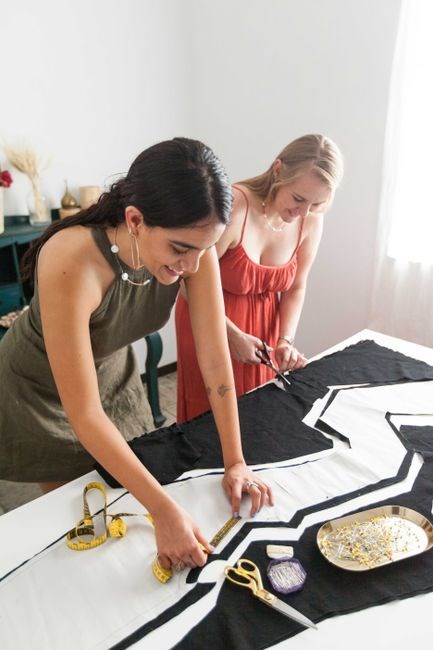
Accurate sizing and fit guides are essential for creating garments that look great and feel comfortable․ Women’s PDF sewing patterns often include detailed measurement charts that cover bust‚ waist‚ hips‚ arm length‚ and inseam․ These charts allow you to select the correct size or adjust the pattern to your own measurements․ Many patterns provide a range of sizes‚ such as 0‑32 for plus‑size options‚ and also offer a 420‑size template that can be scaled for different body shapes․ The fit guides typically include step‑by‑step instructions on how to modify seam allowances‚ adjust sleeve length‚ and tweak the waistline to achieve a tailored look․ By following these guides‚ you can avoid common fitting problems like excess fabric at the hips or a too‑tight neckline․ The patterns also feature notches and reference points that help you align pieces accurately during cutting and sewing․ This precision ensures that the final garment fits as intended‚ giving you confidence in your sewing projects․ Additionally‚ many designers incorporate adjustable pattern pieces that can be resized by simple measurements‚ allowing for a personalized fit without the need for extensive alterations․ Some patterns provide a “fit‑check” sheet that lets you test a small sample before committing to the full garment‚ ensuring that the chosen size truly matches your body shape․ With these tools‚ you can experiment with different styles‚ from simple blouses to complex dresses‚ and still achieve a professional finish․ The combination of accurate sizing charts‚ flexible templates‚ and clear fit instructions makes women’s PDF sewing patterns a powerful resource for both beginners and experienced sewers alike!
Women’s PDF sewing patterns provide a library of printable pieces that can be downloaded‚ printed‚ and assembled at home․ Each pattern includes a set of clearly labeled sheets—front‚ back‚ sleeves‚ collars‚ pockets‚ and lining—ready for cutting․ The templates are designed to fit standard printer paper sizes (A4 or US Letter) and come with precise seam allowances‚ notches‚ and fold lines․ Many designers offer a 420‑size template that can be scaled to accommodate a wide range of body shapes‚ while plus‑size patterns cover sizes 0‑32 with full bust options․ The files are typically in PDF format‚ ensuring that the layout remains consistent across devices․ Users can print the sheets at home or at a local print shop‚ choosing high‑resolution settings to preserve detail․ Some patterns include a “cut‑and‑fold” diagram that shows how to assemble the pieces into a single sheet‚ reducing the number of cuts needed․ Others provide a “cut‑and‑paste” layout that allows you to print multiple pieces on one sheet to save paper․ The templates also feature a set of instructions that explain how to align the pieces‚ where to place seam lines‚ and how to handle special details such as darts or pleats․ By following these guidelines‚ sewers can avoid common mistakes like misaligned seams or uneven hems․ The printable format also enables easy customization: you can adjust the pattern by adding or removing pieces‚ changing the length of sleeves‚ or modifying the neckline shape․ This flexibility makes PDF patterns ideal for experimenting with different styles and tailoring garments to your exact measurements․ Whether you’re a beginner or designer‚ printable patterns give you the tools to create garments in our room!
Top sites for women’s PDF patterns include On the Cutting Floor‚ offering free printable PDFs in size 420‚ and VFT’s Violette Field Threads‚ known for stylish designs․ Plus‑size options are found on Instant Digital Download‚ providing full bust patterns 0‑32․ These platforms combine quality and convenience․ They provide tutorials daily
On the Cutting Floor offers a free library of PDF sewing patterns designed for women‚ focusing on accessibility․ Each pattern is drafted in the industry‑standard 420 size‚ ensuring compatibility with most home printers and eliminating scaling issues․ The 420 format preserves accurate proportions‚ which is essential for a reliable fit and smooth construction for all skill levels․
Each PDF includes step‑by‑step tutorials that guide users through cutting‚ marking‚ and assembly․ The instructions are written in plain language‚ supplemented with diagrams and practical tips for common pitfalls․ This educational component turns the pattern into a learning tool‚ helping beginners build confidence while seasoned sewers save time on adjustments for both casual and professional projects․
Accessibility is a core principle; patterns are available for instant download with no hidden fees or subscription․ Users can simply click a link‚ save the PDF‚ and print immediately․ The responsive design ensures the download page works smoothly on tablets and smartphones‚ making it convenient for sewers on the go without compromising quality or detail every time․
Patterns are fully editable‚ allowing users to open files in vector software such as Adobe Illustrator‚ Inkscape‚ or Affinity Designer․ Adjust dimensions‚ add seam allowances‚ or modify design elements to suit personal style or fabric choice․ This flexibility encourages creativity and ensures each finished garment reflects the maker’s unique vision for every project‚ no matter the complexity․
Beyond the patterns‚ On the Cutting Floor hosts a community forum where sewers share projects‚ ask questions‚ and exchange tips․ Users can report issues‚ suggest improvements‚ or request new variations‚ ensuring the library evolves with its audience․ This collaborative environment turns digital patterns into a living‚ supportive sewing ecosystem for both novices and seasoned professionals alike and growth․ Enjoy the creative journey․
Instant digital downloads give women quick access to high‑quality‚ full‑bust plus‑size patterns in sizes 0‑32․ Each PDF is professionally drafted‚ featuring accurate sizing charts‚ seam‑allowance guidelines‚ and step‑by‑step instructions that work for beginners and seasoned sewers alike․ The patterns are printable at home or at a local shop‚ preserving line integrity and ensuring a flawless fit․
Key benefits include immediate availability—no shipping delays—so you can start cutting and sewing right away․ Optional add‑ons such as adjustable waistbands‚ side‑seam extensions‚ and built‑in pockets are also downloadable‚ allowing you to tailor the garment to your exact measurements․ The files support a variety of fabrics‚ from lightweight cottons to heavier wools‚ making them versatile for any season․
Each pattern comes with a “fit‑check” section‚ where sewers can test the design on a muslin or inexpensive fabric before cutting the final piece․ This step prevents costly mistakes and guarantees a garment that fits comfortably and flatters your shape․ The PDF format also encourages sustainability by eliminating shipping and allowing you to try multiple styles without waste․
With instant downloads‚ you can experiment freely‚ adjust patterns in vector software‚ and create custom‚ well‑fitted garments that celebrate your unique style․ The combination of convenience‚ flexibility‚ and eco‑friendly design makes these patterns an essential resource for any woman who loves to sew and values a perfect fit․

These PDFs include a quick‑start guide that shows how to set up your workspace‚ choose thread‚ and use built‑in seam allowances to save time‚ letting you finish a professional‑looking garment faster than with traditional patterns!
Print PDFs at 100% scale‚ use high‑resolution paper‚ set printer to “best quality” and “paper weight” for fabric․ Check PDF version (1․7) for compatibility․ Software like Adobe Acrobat or Inkscape can edit patterns; save as PDF/A for archival․ Test on muslin before cutting final fabric․ Print on matte paper‚ seam allowances with ruler for precision․!
When printing women’s PDF sewing patterns‚ set your printer to 100 % scale to preserve accuracy․ Use high‑resolution (300 dpi) paper‚ preferably matte or cardstock‚ to prevent bleed and maintain pattern clarity․ Select “Best Quality” or “Photo” mode‚ and choose the appropriate paper weight (80‑120 gsm)․ Disable any scaling or “Fit to Page” options that alter dimensions․ Ensure margins are set to 0 in or the smallest possible to maximize usable area․ For multi‑page patterns‚ use the “Print as single sheet” option and double‑check that the PDF’s bleed marks align with the printer’s printable area․ If your printer supports duplex printing‚ enable it to reduce paper usage‚ but verify that the pattern’s front and back layers are correctly oriented․ Finally‚ preview the print layout before sending to the printer‚ and consider printing a test page on plain paper to confirm that all measurements and seam allowances appear correct․ This approach guarantees that the final printed pattern matches the designer’s specifications and fits your body measurements accurately․ Use a calibrated color profile to ensure that printed seam lines match the actual fabric color‚ especially for light or shiny materials․ If your printer supports duplex‚ set the duplex mode to short‑edge to keep pattern orientation consistent․ When printing on cardstock‚ trim the edges with a paper cutter to avoid uneven borders․ For patterns that include multiple layers‚ print each layer on a separate sheet and label them clearly before cutting․ If you use a laser printer‚ avoid using glossy paper as it can cause ink bleeding; instead‚ choose a matte finish that holds the ink securely․ Always! check the scale to save waste․?

PDF sewing patterns come in various file formats‚ each offering advantages for users․ The most common format is PDF (Portable Document Format)‚ which preserves layout‚ fonts‚ and vector graphics across all operating systems․ This format is universally supported by desktop printers‚ devices‚ and web browsers‚ making it ideal for instant downloads and quick printing․ For users who prefer editable files‚ also designers provide PDF‑to‑DXF or PDF‑to‑SVG conversions․ DXF files are compatible with CAD software AutoCAD and SolidWorks‚ allowing precise scaling and manipulation of pattern pieces․ SVG files‚ on the other hand‚ can be opened in vector editors like Adobe Illustrator or Inkscape‚ enabling users to adjust seam allowances or notches before printing․ Some pattern creators offer PDF files with embedded PostScript (EPS) layers․ EPS layers can be extracted and edited in Photoshop or Illustrator‚ giving advanced users the flexibility to modify color schemes or add branding; When downloading a pattern‚ it is essential to check the file size and resolution․ High‑resolution PDFs (300 dpi) ensure crisp line work‚ while lower‑resolution files may appear pixelated when printed on thick cardstock․ Compatibility is also influenced by the printer driver and software․ Most modern printers support PDF printing natively‚ but older models may require a PDF reader like Adobe Acrobat or a virtual PDF printer․ Additionally‚ some patterns include a “print‑ready” PDF that automatically adjusts to the printer’s paper size‚ eliminating the need for manual scaling․ PDF readers on iOS and Android support pinch‑to‑zoom and annotation‚ letting users mark pieces their phone or tablet․ Enjoy! Now
When working with PDF sewing patterns‚ many designers turn to pattern‑editing software to tailor designs to personal measurements or to experiment with new silhouettes․ Popular tools such as Adobe Illustrator‚ CorelDRAW‚ and free alternatives like Inkscape allow users to open the PDF‚ unlock vector layers‚ and modify seam lines‚ darts‚ or collar shapes․ The process typically starts by importing the PDF file and converting each pattern piece into editable paths․ Once the paths are unlocked‚ designers can adjust anchor points‚ add or remove notches‚ and change seam allowances with precision․ For those who prefer a more specialized approach‚ software such as Valentina or Seamly2D offers dedicated pattern‑making features‚ including automatic grading and measurement input․ These programs read the PDF’s vector data and enable users to scale the entire pattern to a different size or to generate a new size altogether․ When editing‚ it is crucial to maintain the original scale to avoid distortion; most programs provide a “lock aspect ratio” option․ After modifications‚ the updated pattern can be exported back to PDF or saved as a DXF file for use in CAD systems․ Some designers also utilize the “layer” functionality to separate front‚ back‚ and side pieces‚ making the final layout easier to print․ Finally‚ many pattern‑editing suites include a preview mode that simulates how the pattern will look when cut‚ allowing for quick visual checks before printing․ By mastering these tools‚ hobbyists can transform generic PDF patterns into personalized garments that fit perfectly and reflect their unique style․ Use these tools to create unique designs that showcase your creativity․ Enjoy! Now
Common problems when printing PDF sewing patterns include incorrect scale‚ missing layers‚ color shift‚ file corruption‚ incompatible PDF version‚ missing measurements‚ pattern misalignment‚ software compatibility‚ printing on fabric‚ and seam allowance errors․ Below are concise solutions for each issue․
Follow these steps to ensure a smooth transition from screen to fabric;
These troubleshooting steps help you avoid common printing and cutting errors‚ ensuring that the final garment fits well and looks professional․
Feel confident in your pattern adjustments and enjoy the process․

You must be logged in to post a comment.