
 0
0


Leave a Reply
You must be logged in to post a comment.

The Maxi‑Cosi Mica is an extended rear‑ward‑facing i‑Size car seat approved from birth to about four years․ Its G‑CELL side‑impact technology offers enhanced protection, while the adjustable harness and reclining options ensure comfort and safety for growing children․ Safe․!!
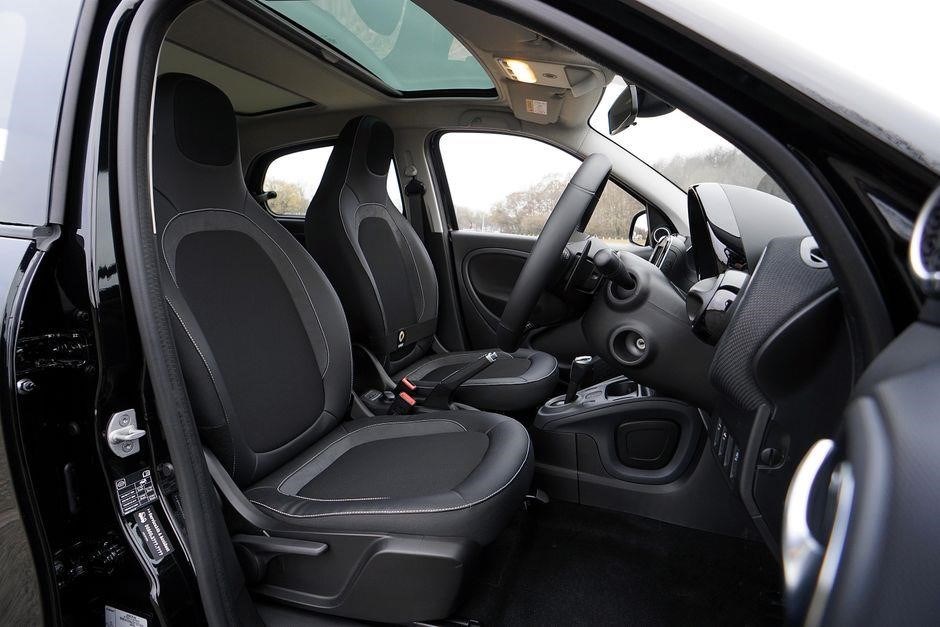
Unpack the seat, verify all parts, and read the manual․ Position the seat in the vehicle’s rear seat, ensuring it sits flat․ Secure it using the LATCH system or seat belt, tightening until snug․ Attach the 5‑point harness and tether, then test for stability․ Check the seat is level and harness is snug safety!!!!!!!
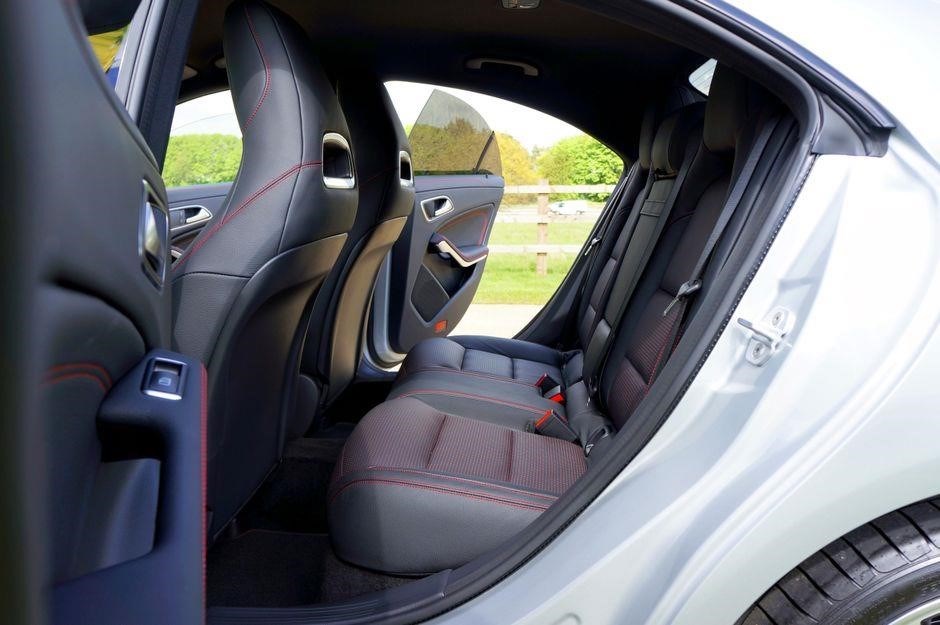
Begin by removing the Maxi‑Cosi Mica from its packaging, taking care to keep the seat upright․ Inspect the outer shell for any visible dents, cracks, or loose seams that could compromise structural integrity․ Verify that the G‑CELL side‑impact panels are intact and properly seated․ Check the seat’s base and mounting brackets for damage or missing screws․
Open the seat’s storage pockets and confirm that all accessories—5‑point harness, tether, buckle, and instruction booklet—are present․ Examine the harness straps for fraying, cuts, or discoloration, and ensure the buckles function smoothly without resistance․ Test the seat’s reclining mechanism by moving it through its full range of motion, confirming that the lock positions engage correctly․
Read the included manual for any model‑specific warnings or updates․ Cross‑reference the seat’s serial number with the manufacturer’s database to confirm no recalls apply․ Finally, perform a quick visual check of the seat’s padding and cover for stains or tears, and note any items that may need replacement before installation․ A thorough inspection guarantees safety and peace of mind during use․
Before installation, consult your vehicle’s owner manual to locate the correct seat belt path and LATCH anchor points․ Verify that the seat’s base is level using a bubble level; a tilted seat can compromise the harness’s effectiveness․ After securing the seat, perform a gentle tug test to ensure it does not shift more than an inch․ Ensure seat is anchored before driving to avoid movement․
Place the Maxi‑Cosi Mica on the rear seat floor, ensuring it is aligned with the vehicle’s seat belt path or LATCH anchors․ The seat’s base should sit flush against the floor, with the backrest angled slightly forward to accommodate the child’s natural posture․ Use a bubble level to confirm the seat is level; any tilt can reduce harness effectiveness․
When using the LATCH system, insert the lower straps into the vehicle’s lower anchor points, then tighten the upper straps to secure the base․ If using a seat belt, route the belt through the designated belt path, ensuring it lies flat and free of twists․ The belt should be snug but not so tight that it restricts the child’s breathing․
After positioning, perform a gentle tug test: pull the seat forward and back to confirm it does not move more than one inch․ Check that the seat’s base is firmly attached and that the seat’s backrest remains in the correct orientation․ A properly positioned seat provides optimal safety during sudden stops or collisions․
Finally, verify that the child’s feet are flat on the floor and that the child’s harness straps are at the correct height․ Adjust the seat’s angle if necessary to maintain a 10‑15 degree recline for newborns and a 5‑10 degree recline for older toddlers․ Proper positioning ensures the harness works as intended and protects the child in an impact․
Always double‑check seat alignment after each child change, and keep a spare harness strap in the vehicle for emergencies․ A well‑positioned seat reduces injury risk today․!!
After the Maxi‑Cosi Mica is positioned, secure it using the vehicle’s LATCH system or seat belt․ For LATCH, insert lower straps into anchors, tighten upper straps, and ensure the base is firm against the floor․ For seat belt, route the belt through the designated path, keep it flat, and tighten until snug but not overly tight․ Perform a tug test: the seat should not move more than one inch․ Check harness height, child’s feet flat, and hips positioned correctly․ Keep a spare harness strap in the vehicle for emergencies․ Re‑check tightness after each child change or vehicle movement․ Consistent, correct installation is essential for safety compliance and protection during impact․
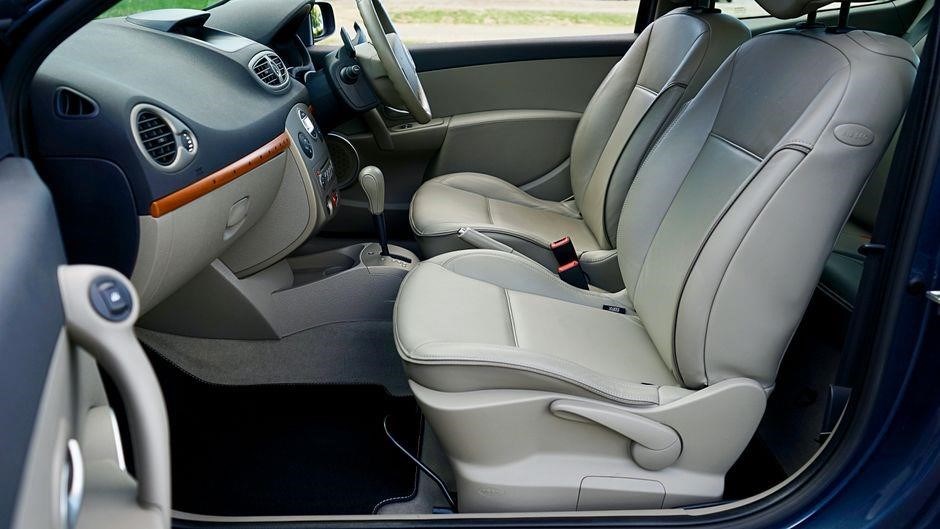
Begin by placing the child in the seat, ensuring the base is firmly seated․ Locate the five harness points: two shoulder straps, two chest straps, and a waist strap․ Slide the shoulder straps through the corresponding loops, making sure they are not twisted․ Adjust the straps so that the shoulder straps sit just below the child’s shoulders, with the chest straps positioned at the chest level․ Tighten the straps by pulling the buckles until the harness is snug, but not so tight that the child’s breathing is restricted․ The child’s hips should be at a 45‑degree angle, with knees slightly bent, and feet flat on the seat or floor․ Next, attach the tether strap to the seat’s tether anchor․ Thread the tether through the designated path, ensuring it is not kinked․ Tighten the tether until the seat is held firmly against the vehicle’s floor, preventing forward movement․ Finally, perform a “no‑move” test: push the seat forward, it should not move more than one inch․ Secure the child’s head with the headrest, adjust the recline to the recommended angle, and double‑check all buckles․ This process ensures optimal restraint and compliance with safety regulations․ After securing the harness, check that the child’s head is aligned with the seat’s headrest to neck strain during travel․ If your vehicle has a rear‑view camera, position the seat so the camera’s view is not obstructed, ensuring you can monitor the child’s environment․ When the vehicle is parked, always keep the seat’s tether secured to prevent accidental release of the seat during loading or unloading․ For long trips, periodically check that the harness remains snug and that the child’s feet are not dangling, which could compromise safety․ Seat base stays firm on floor ever

Place the child rear‑facing until 4 years․ Adjust harness to fit snugly, shoulders below․ Set recline to manufacturer’s angle․ Keep headrest aligns with head․ Keep feet flat, hips at 45°․ Verify no movement before driving․ Monitor during tripAlways check harness tension and seat angle before each trip Keep safe․!


The harness must be adjusted to fit the child’s size and age․ Start by placing the child in the seat, ensuring the seat belt or LATCH system is secure․ Slide the harness straps over the child’s shoulders, keeping the chest clip at or just below the collarbone․ Tighten the straps so that the child’s shoulders are snug but not restrictive․ Use the “no‑movement” test: you should not be able to move the harness more than an inch in any direction․ Adjust the height of the harness by moving the shoulder straps up or down until the child’s shoulders are level with the seat’s top rail․ For infants and toddlers, keep the harness straps at a 45‑degree angle to the child’s body to prevent neck strain․ For older children approaching the seat’s upper weight limit, raise the harness to keep the child’s hips at a 45‑degree angle to the floor․ Always check the harness tension with the child’s arms at their sides; the straps should be tight enough that the child cannot slip out but not so tight that they cannot breathe comfortably․ Remember to keep the headrest in place and adjust the recline accordingly․ Regularly inspect the harness for wear, and replace any worn or frayed straps immediately․ Proper harness adjustment is critical for optimal protection in a crash, ensuring the child’s weight is distributed evenly across the seat frame and the G‑CELL side‑impact system can perform effectively․ Follow the manufacturer’s guidelines and your local safety regulations for the best results․ If you notice any discomfort or signs of improper fit, consult the user manual or a certified child‑seat technician promptly․ If you have any doubts, contact a local child‑seat specialist for a safety check․ When storing the seat, ensure it is clean, dry, and free of any debris or damage before reinstalling․ Before each use, double‑check that the seat is firm secured and that the harness is snug, safety for your child․ Always follow the manufacturer’s safety guidelines!
When installing the Maxi‑Cosi Mica, the seat’s orientation determines the child’s safety and comfort․ The seat must face the direction of travel for rear‑ward‑facing mode, or opposite the direction of travel for forward‑facing․ The seat’s base should be positioned so that the seat’s top rail aligns with the vehicle’s seat belt anchor points․ Use the vehicle’s seat belt or LATCH system to secure the base firmly․ The seat’s angle should be adjusted to keep the child’s hips at a 45‑degree angle to the floor, ensuring the child’s weight is distributed evenly across the seat frame․ The seat’s headrest should be positioned at the child’s head level to protect the cervical spine․ Check that the seat’s base is level; a tilted base can compromise the seat’s structural integrity․ When the seat is installed, the child’s shoulders should be level with the seat’s top rail, and the harness straps should be snug but not restrictive․ The seat’s orientation should also consider the vehicle’s door placement; the seat should not be positioned too close to the door to avoid obstruction during exit․ After installation, perform a quick check: the seat should not move more than an inch in any direction․ If it does, readjust the base or harness․ Proper orientation and positioning are essential for the seat’s G‑CELL side‑impact technology to function correctly․ Follow the vehicle’s manual and the seat’s instructions for any specific installation quirks․ Always double‑check the seat’s angle and orientation before each trip to ensure maximum safety for your child․ Ensure the seat’s base is firm fixed before driving․
While the vehicle moves, keep a close eye on the child’s harness tension and positioning․ The straps should stay snug enough to prevent sliding but not so tight that they restrict breathing․ The chest clip must sit at the lowest point of the child’s chest․ Regularly check the seat’s base for looseness; wobble means the LATCH anchors or seat belt need re‑tightening․ The child’s head should rest on the seat’s headrest, positioned at the correct height to protect the cervical spine․ Keep the seat’s angle consistent with the vehicle’s seat belt or LATCH system, avoiding tilting beyond the recommended range․ If the vehicle uses a seat belt, ensure it lies flat across the child’s chest and is not twisted․ The child’s feet should rest flat on the seat or floor, not dangling․ During long trips, pause every two hours to double‑check that the harness and seat remain secure, and readjust if the child’s weight or height changes․ Use the seat’s built‑in indicators to confirm correct positioning; if misaligned, readjust immediately․ If the seat’s base or harness shows wear or damage, replace it․ Keep the child’s face and head clear of obstructions to prevent choking hazards․ The Maxi‑Cosi Mica’s G‑CELL side‑impact technology works best when the seat is properly positioned and the harness is correctly fitted․ Constant vigilance and routine checks ensure the child’s safety throughout the journey․ Remember to consult the vehicle’s owner manual for specific seat belt anchoring instructions, and keep the child’s eyes on the road by ensuring the seat’s angle does not block the driver’s view․ Please check the latch locks before each trip! Now․
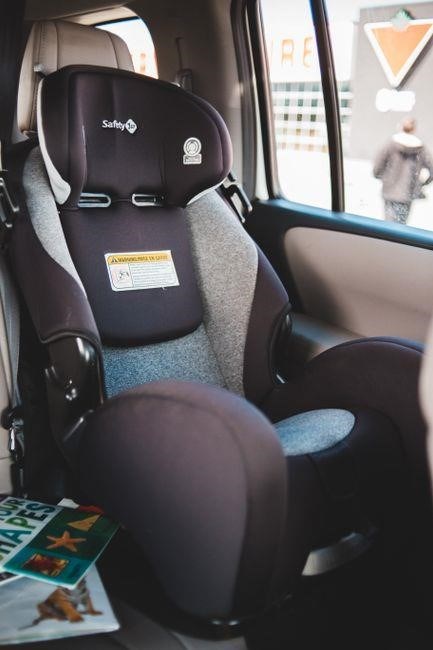
Clean the seat cover with mild detergent, dry it, and wipe the frame with a damp cloth․ Store in a dry, shaded area, folded, to avoid moisture․ Check straps and buckles monthly for wear, replace if damaged․ Keep the seat in a child‑proof bag when not in use․ Always keep it clean and dry to prolong life Keep safe․ Stay!

To keep your Maxi‑Cosi Mica seat in pristine condition, begin by removing the removable cover and any detachable padding․ Gently shake out loose debris, then spot‑clean stains with a mild soap solution and a soft brush or microfiber cloth․ Avoid harsh chemicals, bleach, or fabric softeners that can degrade the fabric․ For a deeper clean, wash the cover in a front‑loading washing machine on a gentle cycle with cold water and a mild detergent; do not tumble dry․ Allow the cover to air‑dry flat or on a hanger to preserve its shape․ While the cover dries, clean the seat’s foam padding and metal frame․ Use a damp cloth to wipe down the foam, ensuring no moisture remains trapped, and a soft brush to reach crevices․ If the padding shows signs of wear or has absorbed odors, replace it with a new, compatible padding set supplied by Maxi‑Cosi․ Vacuum the seat’s interior to remove dust and crumbs, especially around the harness attachment points․ After cleaning, apply a fabric‑protecting spray recommended by the manufacturer to guard against future stains․ Store the seat in a dry, shaded area, folded and protected by a child‑proof bag when not in use․ Regular cleaning and maintenance not only keep the seat hygienic but also preserve its structural integrity, ensuring it continues to provide optimal protection for your child․ Follow the manufacturer’s guidelines for any specific cleaning recommendations or restrictions․ Before reassembling, inspect the cover for any tears or holes; repair or replace as needed․ Do not use hot water, which can shrink the fabric․ When cleaning harness straps, use a soft brush to remove dirt without damaging the webbing․ After cleaning, let the seat air out for several hours before reinstalling․ By following these steps, you ensure that the seat remains in top condition, providing reliable safety and comfort for your child throughout its lifespan․ Stay safe and keep your child’s seat clean and comfortable․
When the Maxi‑Cosi Mica is not in daily use, proper storage preserves its safety features and extends its lifespan․ First, ensure the seat is completely dry; moisture can promote mold and weaken foam․ Remove all accessories, including the cover, padding, and tether, and lay them flat in a cool, dry place․ The seat itself should be folded along the manufacturer’s recommended crease, avoiding sharp bends that could damage the frame or harness rails․ Place the folded seat in a breathable storage bag or a dedicated car seat storage case, ensuring it is not compressed by heavy objects․ Store the seat in a location away from direct sunlight, which can degrade the fabric and plastic components, and keep it out of extreme temperatures that might cause the foam to shrink or expand․ Periodically inspect the stored seat for any signs of wear, such as cracks in the frame, frayed harness straps, or fabric tears․ If any damage is detected, replace the affected parts immediately to maintain safety compliance․ For long‑term storage, consider using a moisture‑absorbing silica gel packet inside the storage bag to keep humidity at bay․ Finally, label the storage bag with the seat model and your child’s age range to avoid confusion when retrieving the seat for future use․ By following these steps, you ensure that the Maxi‑Cosi Mica remains in optimal condition, ready to provide reliable protection whenever you need it․
Remember to keep the seat’s frame and harness rails free of debris, and replace worn components promptly to maintain safety daily standards․
You must be logged in to post a comment.