
 0
0



Leave a Reply
You must be logged in to post a comment.
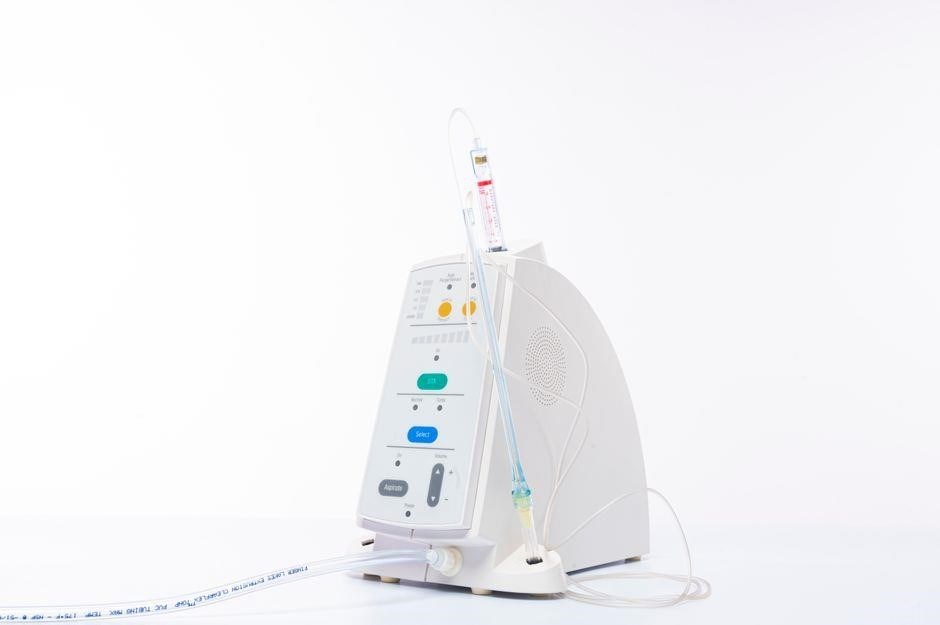
The CADD‑Solis VIP pump is a compact, lightweight ambulatory infusion system for clinician convenience and patient safety․ It integrates PIB and PCA within a task‑based interface, reducing drug use and clinician interventions․ Its compact design and integrated drug library promote safe dosing safety!?․

The CADD‑Solis Model 2120 VIP is a state‑of‑the‑art ambulatory infusion pump designed for precision dosing and ease of use․ It weighs only 1․5 kg and measures 210 mm × 120 mm × 70 mm, making it highly portable for both inpatient and outpatient settings․ The pump supports a 32‑bit microprocessor with a 4‑inch color touchscreen, enabling intuitive task‑based navigation and real‑time monitoring․ It is powered by a rechargeable lithium‑ion battery that delivers up to 48 hours of continuous operation on a single charge, and it can be powered via a standard AC adapter for extended use․ The device is capable of delivering up to 200 mL of fluid per hour with a minimum flow rate of 0․1 mL min⁻¹, and it incorporates dual safety channels to prevent accidental overdose․ The Model 2120 VIP includes a built‑in drug library with pre‑loaded protocols for common analgesics, anti‑emetics, and vasopressors, and it can be updated via USB or wireless connectivity․ The pump’s mechanical design features a needleless connector system that eliminates the need for syringes, reducing waste and contamination risk․ It is compliant with IEC 60601‑1, IEC 60601‑1‑2, and FDA Class II requirements, and it is CE marked for use in the European Union․ The device supports both Programmed Intermittent Bolus (PIB) and Patient‑Controlled Analgesia (PCA) delivery modes, and it offers programmable alarms for low battery, high pressure, and occlusion events․ The Model 2120 VIP also includes a secure data logging feature that records infusion parameters, alarm history, and user interactions, which can be exported for audit and quality improvement purposes․ Overall, the CADD‑Solis Model 2120 VIP combines lightweight portability, advanced safety features, and versatile delivery modes to enhance patient outcomes while simplifying clinician workflow․ Its ergonomic design also allows for easy attachment to patient belts or bedside carts, ensuring uninterrupted therapy across diverse care environments․

The CADD‑Solis VIP is a lightweight ambulatory pump, weighing just 1․5 kg and measuring 210 mm × 120 mm × 70 mm․ Its compact form factor fits easily on patient belts or bedside carts, enhancing mobility and clinician convenience during infusion therapy․ Its ergonomic handle ensures quick repositioning;!
The CADD‑Solis VIP pump’s design prioritizes portability, making it ideal for both inpatient and outpatient settings․ Its lightweight construction—just 1․5 kg—allows clinicians to carry it effortlessly across wards or transport it on a patient’s belt without compromising stability․ The compact footprint (210 mm × 120 mm × 70 mm) fits comfortably in standard infusion carts and can be mounted on bedside rails, ensuring it remains within easy reach during rounds․ Battery life is optimized for extended use; the internal rechargeable pack supports up to 24 hours of continuous infusion, and a quick‑swap feature allows clinicians to replace the battery in under a minute, minimizing downtime; Connectivity options include USB, Bluetooth, and a secure wireless interface for remote monitoring, allowing clinicians to update settings or retrieve data without physically handling the unit․ The device’s modular tubing system is designed for easy disconnection and reconnection, with a quick‑release clamp that eliminates the need for additional tools․ All components are sealed against moisture and dust, meeting IP54 standards, which ensures reliability during patient transport or in variable environmental conditions․ The CADD‑Solis VIP also features a built‑in alarm system that alerts users to low battery, occlusion, or line disconnection, providing real‑time feedback that enhances patient safety during mobility․ Together, these portability features streamline workflow, reduce clinician fatigue, and support continuous, safe drug delivery regardless of patient location․ Clinicians can attach the pump to a mobile cart or bedside trolley with integrated brackets, keeping it stable during transfers․ The backlit display stays readable in low light, and the touch‑screen interface allows quick navigation even when gloved․
Finally, the pump’s firmware logs battery health metrics, allowing clinicians to review usage patterns and plan maintenance actively, extending and total bat lifespan and reducing replacement costs․

The CADD‑Solis VIP uniquely merges Programmed Intermittent Bolus (PIB) and Patient‑Controlled Analgesia (PCA) into one interface․ This dual‑mode capability enhances pain control, reduces drug waste, and lowers adverse events by precise, on‑demand dosing․ for safety!!!?

The CADD‑Solis VIP’s PIB mode delivers precise, timed boluses that improve patient satisfaction and reduce drug consumption․ By programming a fixed volume and interval, clinicians can maintain consistent analgesia while minimizing the risk of motor block failed blocks The pump’s intuitive interface allows quick adjustments to bolus size, frequency, and total daily dose, ensuring optimal pain control tailored to each patient’s needs․ PIB is particularly useful in postoperative settings, where controlled, intermittent dosing can prevent over‑medication and support early mobilization․
Safety features include alerts for exceeding maximum daily limits, automatic recalibration if the infusion line is disconnected, and built‑in safeguards against accidental overdose․ The integrated drug library offers pre‑set protocols for common analgesics, streamlining setup and reducing user error․ Clinical studies demonstrate that PIB reduces overall opioid use by up to 30% compared with continuous infusion, while maintaining equivalent pain scores․
Key benefits:
Overall, PIB provides a reliable, evidence‑based approach to pain management that aligns with best practice guidelines and enhances clinical workflow efficiency․
The CADD‑Solis VIP pump’s PCA mode lets patients self‑administer opioid boluses while the system enforces strict safety limits․ Clinicians set a max bolus, lockout interval, and daily cap to prevent overdose․ The task‑based interface shows dose, remaining volume, and lockout timer for real‑time monitoring․
Pre‑configured drug libraries include morphine, fentanyl, and hydromorphone with recommended PCA settings from evidence‑based guidelines․ This speeds setup and reduces dosing errors․ The pump logs every dose, providing a clear audit trail for reviews․
Safety alerts notify clinicians if limits are exceeded or the line disconnects․ The pump pauses infusion during disconnections and resumes automatically, ensuring continuous analgesia․ On‑screen prompts explain lockout periods and daily limits for patient education․
Overall, PCA on the CADD‑Solis VIP boosts patient autonomy, improves pain control satisfaction, and aligns with best practice protocols while maintaining rigorous safety safeguards․

Data from PCA sessions can be exported to the hospital’s electronic health record, allowing dose pattern review and protocol adjustments․ Firmware supports secure wireless communication for remote monitoring and prompt alerts, enhancing multidisciplinary coordination․
Clinicians can set lockout intervals from 5 to 30 minutes and maximum daily doses up to 200 mg morphine equivalents․ The pump’s display updates dose totals after each bolus, reinforcing patient understanding and compliance!!

The CADD‑Solis VIP offers an intuitive, task‑based interface paired with a comprehensive therapy‑based protocol library․ This design reduces adverse drug events, promotes best practices, and ensures clinicians and patients navigate dosing safely efficiently․!!!!!

Therapy‑based protocols in the CADD‑Solis VIP system streamline infusion management by pre‑configuring drug regimens, dosing intervals, and safety limits․ Each protocol is built from evidence‑based guidelines, allowing clinicians to select a therapy package that matches the patient’s diagnosis, weight, and renal function․ The library includes standard protocols for opioid analgesia, local anesthetic blocks, and continuous infusions for pain, as well as specialty protocols for oncology, critical care, and peri‑operative settings․ When a protocol is chosen, the pump automatically calculates the appropriate bolus volume, infusion rate, and lockout intervals, reducing manual entry errors․ The system also supports custom protocol creation, enabling users to tailor parameters such as maximum daily dose, infusion duration, and safety thresholds․ All protocols are stored in a secure, encrypted database and can be updated remotely via the manufacturer’s software update service․ This ensures that the latest clinical recommendations are always available․ The interface displays protocol details in a clear, step‑by‑step format, with color‑coded alerts for dose limits and potential interactions․ Clinicians can review the protocol summary before activation, and the pump logs each administration event for audit trails․ By centralizing protocol data, the CADD‑Solis VIP reduces variability in practice, promotes adherence to best practices, and enhances patient safety across diverse clinical environments․ Check now
The CADD‑Solis VIP’s menu system is engineered for rapid, error‑free access to all infusion functions․ The home screen displays a clean, icon‑based layout with high‑contrast text, enabling clinicians to locate key functions such as “Start Infusion,” “Bolus,” “Protocol,” and “Settings” instantly․ Navigation follows a logical sequence: from the home screen to therapy selection, then to dosing parameters, and finally to confirmation․ Touch‑screen gestures, such as swiping left or right, move between pages, while a single tap confirms choices․ A “Help” icon on every screen offers concise, context‑specific guidance and troubleshooting tips․ For users preferring a traditional interface, a physical keypad can be enabled, providing tactile feedback for each button press․ All menu screens are designed to be readable by patients and staff alike, with large fonts and simple language․ This intuitive design reduces training time, minimizes user error, and supports safe, efficient patient care․ Clinicians can customize the menu layout to prioritize functions, enhancing workflow efficiency during clinical shifts․ The pump’s firmware can refresh menu options to reflect guidelines․ Patient safety remains paramount․ Clinicians can also set up custom shortcuts for frequently used functions, streamlining workflow during busy shifts․ The intuitive menu navigation is designed to reduce cognitive load, allowing clinicians to focus on patient care rather than device operation․ All features comply safety standards and guidelines․

Follow these steps to install and configure the CADD‑Solis VIP pump before first use․ 1․ Unpack the unit, verify all components, and inspect for damage․ 2․ Attach the power supply and connect the battery pack․ 3․ Install the infusion set by sliding the needleless connector onto the pump port and securing with the clamp․ 4․ Load the drug vial into the syringe and prime the line by pushing the plunger in a start/stop pulsing motion, 10 quick pulses of ~1 mL each․ 5․ Power on the pump; the display will prompt for initial calibration․ 6․ Select the desired therapy from the menu, then enter patient data (weight, age, drug concentration)․ 7․ Verify the calculated dose and infusion rate, then confirm to lock the protocol․ 8․ Perform a test run: set a low‑rate infusion for 5 minutes to ensure flow and check for alarms․ 9․ Document the setup in the patient chart and provide a brief orientation to the patient․ 10․ Store the pump in a cool, dry place and keep the manual accessible for reference․ 11․ Schedule regular maintenance checks per the manufacturer’s service schedule․ 12․ Update firmware to the latest version via USB connection, following the update wizard․ 13․ Verify the firmware version on the status screen; 14․ Set up remote monitoring if available, linking the pump to the hospital network․ 15․ Perform a safety check: ensure all alarms are functional․ now today Adhering to these installation and setup steps guarantees compliance with regulatory standards and enhances the reliability of the CADD‑Solis VIP pump in outpatient settings․

Use the touch screen to select the therapy, set the infusion rate, and monitor alarms․ Adjust the rate by pressing the arrow keys․ The pump displays real‑time flow and remaining volume․ Press the stop button to pause or halt infusion․ Keep the unit clean and secure․ Ensure proper calibration before use
Provide clear, step‑by‑step guidance to patients and caregivers․ Begin with a brief overview of the device’s purpose and safety features․ Encourage patients to ask questions and verify understanding before use․
Reinforce that the pump is a medical device and should only be used as prescribed․ Offer written instructions and a contact number for support․ Regularly review the patient’s understanding and comfort with the device to ensure safe and effective use․
You must be logged in to post a comment.